Why Translating Words into Fragrance Is One of the Most Difficult Parts of Perfumery
Hosting a Scent Table at Your Event
One of the most challenging aspects of fragrance development is not the formula itself—it’s the translation that happens before the formula even exists.
Private clients, brand founders, and creative teams rarely begin with fragrance materials. Instead, they begin with words.
They describe what they are looking for through:
- Emotions
- Memories
- Textures
- Atmospheres
“A soft, warm skin scent.”
“Clean, but not sharp.”
“A feeling of quiet luxury.”
These descriptions are meaningful, but they do not directly correspond to fragrance ingredients.
There is no single raw material that smells like “warmth,” “clarity,” or “depth.”
Instead, these ideas are created through structure—through the relationships between materials, their proportions, and the way they evolve over time.
The Gap Between Language and Fragrance
Language is inherently imprecise when it comes to describing scent.
Two people may use the same word while imagining completely different fragrances.
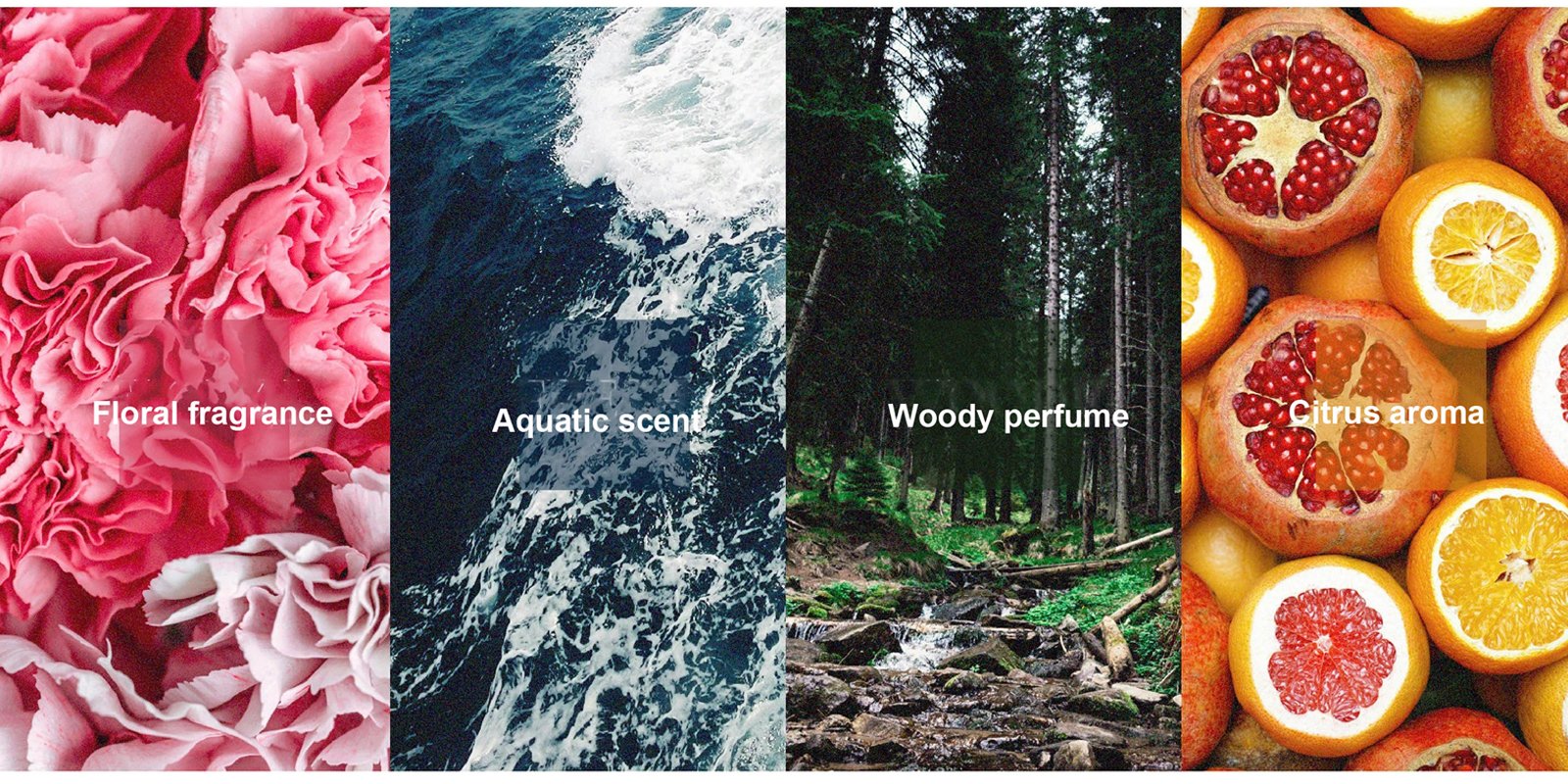
For one person, “fresh” may mean citrus notes. For another, it may suggest green leaves or clean musk. Each interpretation is equally valid.
Even more abstract terms such as grounded, radiant, or elevated require interpretation rather than direct translation.
Fragrance creation is therefore not a process of imitation. It is a process of composition.
It is not a one-to-one translation.
It is an act of interpretation.
From Concept to Composition
The role of a perfumer is to bridge this gap.
To transform something intangible into a fragrance structure that can be experienced.
This rarely happens in a single step.
The first version often establishes the general direction.
The second refines the balance, texture, and character.
The third begins to move closer to the desired emotional response.
At every stage, the most important question is not simply:
“Does it smell good?”
But rather:
“Does it feel like what it is meant to express?”
The distinction may seem subtle, but it is essential.
Why the Process Takes Time
Because fragrance evolves over time and relies heavily on interpretation, development is rarely a linear process.
A formula that feels perfect on paper may perform differently:
- On skin
- In the air
- Over time
Small adjustments can dramatically change how a fragrance is perceived.
A note that feels soft within one structure may feel flat within another.
A composition that initially appears bright may fade too quickly.
Finding the right balance requires time for evaluation, refinement, and re-evaluation.
Final Thoughts
The challenge of translating words into fragrance is not a limitation of perfumery.
It is the very reason fragrance is so powerful.
The process requires careful listening, thoughtful interpretation, and the ability to create something that resonates beyond language.
When the translation succeeds, the result is more than a fragrance that smells beautiful.
It becomes a fragrance that feels right.
And it is this sense of alignment that gives a fragrance its lasting impact.
Learn more about scenting events with Global Aroma Supplies, and contact us for more information about sensory interactive experiences.